Decades of Clean Energy Impact
For over 40 years, IREC has made clean energy possible for millions of Americans through cutting-edge solutions that advance renewable energy, electric grid modernization, and energy efficiency.
Today, our work continues in response to the urgent need to transition to clean energy—to mitigate climate change, improve the resiliency of our communities, and ensure all people benefit from a just transition to a clean energy future.
In 2021, IREC merged with The Solar Foundation, a national nonprofit that has led the advancement of solar energy and solar-compatible technologies since 1977. Together, we are excited to deepen our impact across all clean energy technologies.
IREC maintains an office in Washington, D.C. and has employees working remotely around the nation.

Independent Leadership. Trusted Clean Energy Expertise.
Our Mission: IREC builds the foundation for rapid adoption of clean energy and energy efficiency to benefit people, the economy, and our planet.
Our Vision: A 100% clean energy future that is reliable, resilient, and equitable.
Our Core Program Areas
IREC advances a 100% clean energy future through three complementary pathways.

Who We Are
Independent
We pride ourselves on our independent nonprofit status. We represent the public interest to advance a clean energy future that benefits everyone.
Technical
We address thorny and frequently overlooked issues—like interconnection, grid modernization, and local zoning ordinances—to name a few.
Equitable
Equitable outcomes for people of color and historically disadvantaged groups are at the center of all our work.
Collaborative
As a trusted convener, IREC brings together stakeholders with diverse perspectives to develop consensus-based solutions.
Our Impact
35+
States where IREC has worked to improve interconnection policies
21,918
IREC courses completed on clean energy issues
101 Million
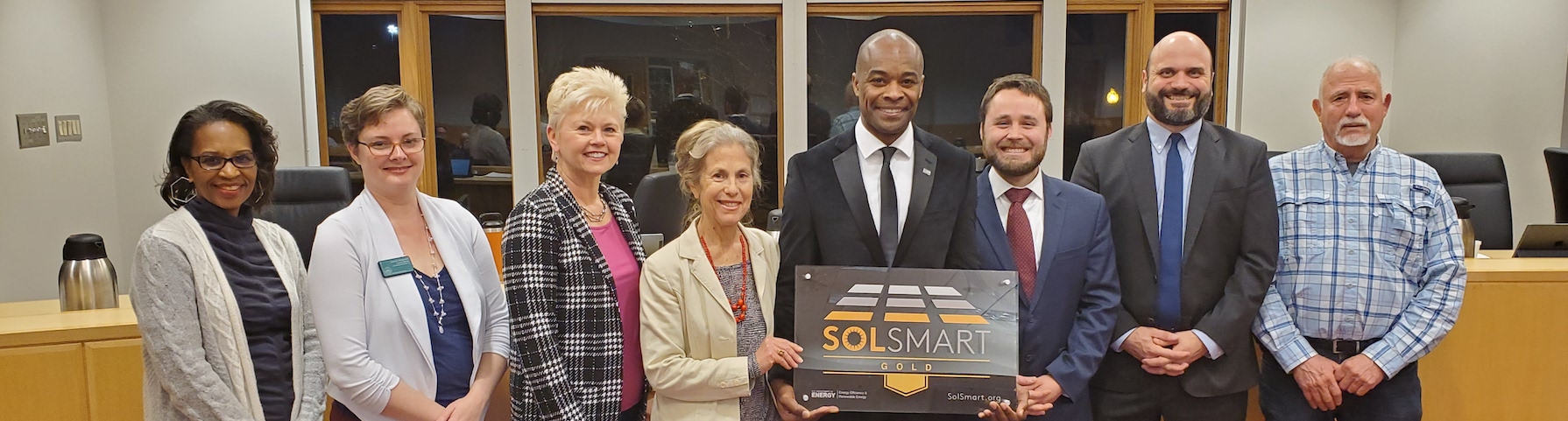
People in SolSmart-designated communities
326
Employers in the Solar Ready Vets Network
110
Clean energy trainers and training providers accredited by IREC
80+
Combined years of experience
Solutions We Work On

Solar
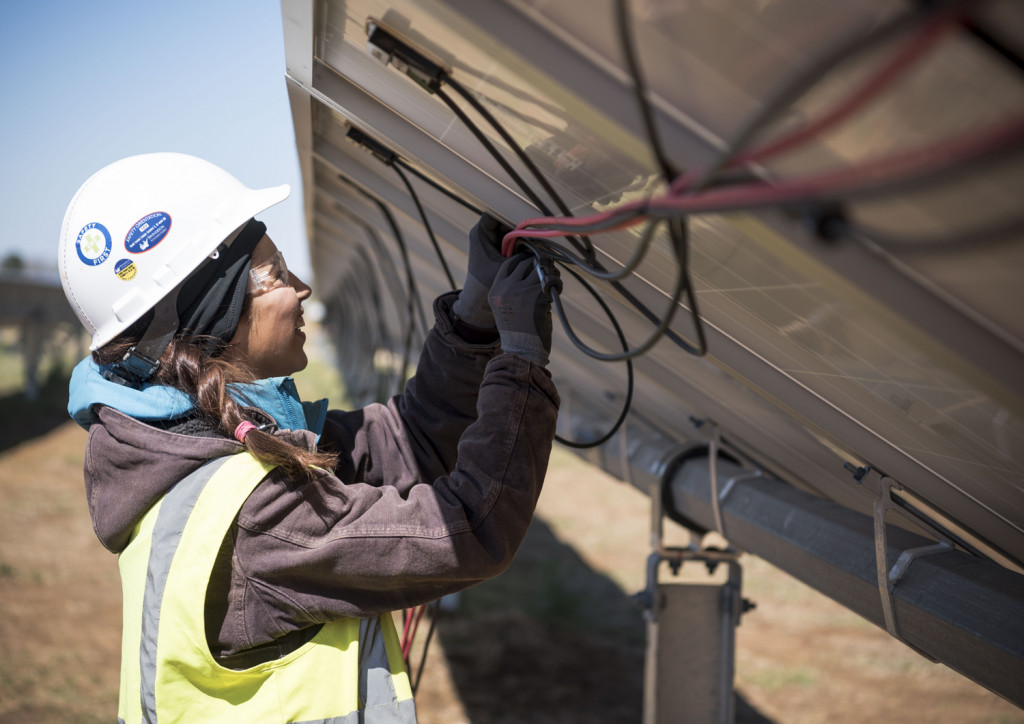
We advance solutions that accelerate solar energy deployment, from residential rooftop projects to utility-scale arrays.

Energy Efficiency
Energy efficiency is a powerful resource that makes it possible to do more with less. We train the next generation of energy efficiency workers and offer policy guidance and expertise.

Grid Modernization
We inform state grid modernization proceedings tackling the comprehensive regulatory reforms to enable a cleaner, more distributed, and reliable electricity grid.

Energy Storage
Energy storage has a critical role to play in enabling a 100% clean energy future. Our policy and training resources support the growth of solar-plus-storage, battery interconnection, and much more.

Electric Vehicle Infrastructure
EVs have a key role to play in decarbonizing the transportation. We enable the rapid deployment of EV infrastructure with policy solutions and training.

Interconnection
We are experts in improving the rules that guide how distributed energy resources can connect to the distribution grid.

2021 Annual Report
Explore Our Impact
Learn more about our programs and some of our notable wins in the past year.
Stay Connected
Get Updates
Subscribe now to receive the latest news and research from IREC in your inbox.